
I’ve delayed writing this post for a few weeks now. Firstly, I’ve exhausted all my words. Secondly, I’ve been working hard on writing and editing my five short stories. They are close to the manuscript draft stage. However, it’s still only 1/3 of the entire manuscript. Thirdly, it feels too personal to share about my family on the internet. But here it is.
I didn’t want to be alone in Seoul while everyone was visiting their families during Chuseok. Since there was the Mid-Autumn Festival in China. I thought, let’s spend the holiday at home.
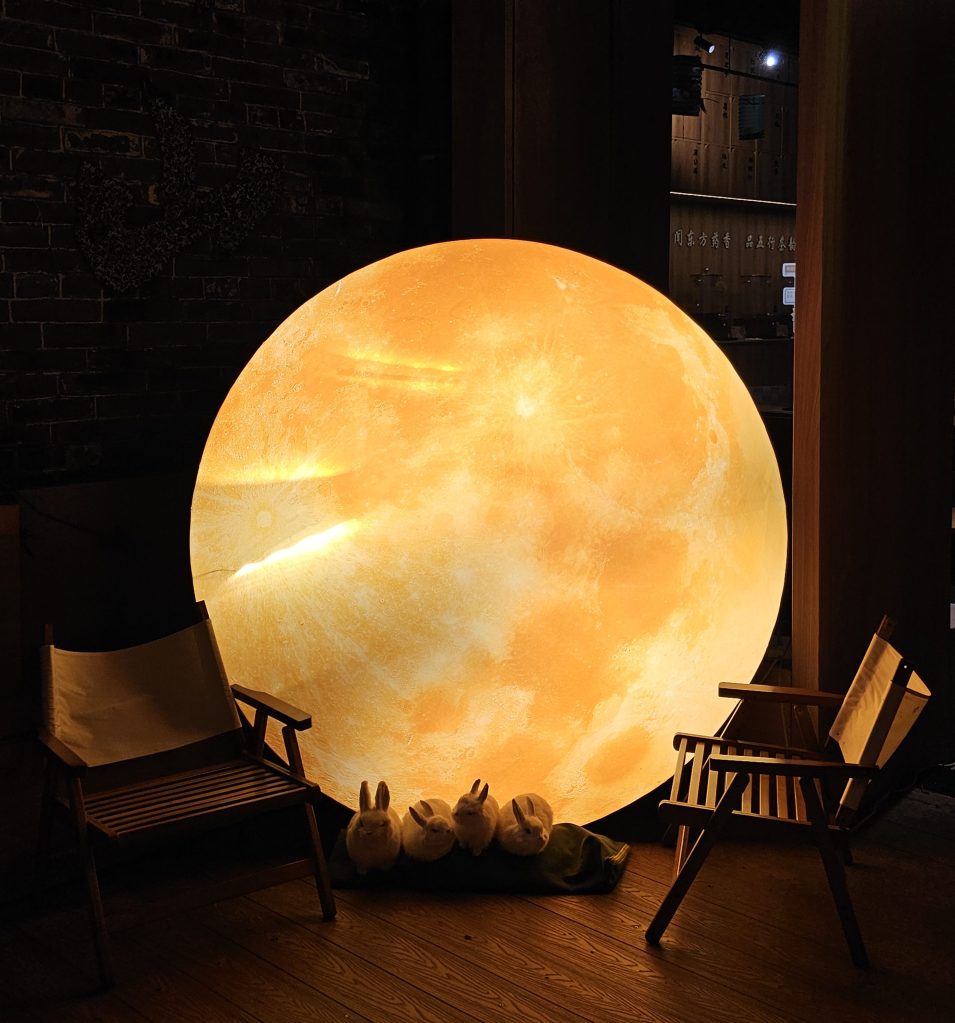
Hou Yi, an extraordinary archer, courageously shot down nine suns to prevent the earth from being scorched. The Queen Mother of the West rewarded him with an immortal elixir. Hou Yi didn’t want to separate from his wife, so he gave it to her for safekeeping. One day, Hou Yi’s apprentice attempted to steal the elixir. Chang’e, Hou Yi’s wife, swallowed the elixir to protect it. As a result, she became light and floated to the moon. Hou Yi grieved the separation from his wife and prepared a feast every year to remember her. During this day, he looks at the moon hoping to see her shadow.
Many more variations of this folktale exist. Some mention she swallowed the elixir out of greed to become immortal. Hou Yi becomes angry, and she escapes to the moon. Other renditions mention the Queen Mother of the West banished Chang’e to the moon. And in other variations, the Jade Rabbit was sent to accompany Chang’e.
My mom told me these stories when I was younger during Mid-Autumn Festival and it was fun to recall them again.
East meets West
My first stop was Shanghai-the classic east meets west city. It reminded me of my origins-a sprinkle of Western culture and a splash of Eastern values. Unfortunately, no accidental Chemical X was used to create me.
Though it was late September, the heat spell from the summer hadn’t ended. My friend and I layered on sunscreen, carried our parasols and took refuge in air-conditioned places. Most of our time was spent wandering the streets in the eastern part of Xujiahui district and the Jingan district. We couldn’t care less about the luxurious department stores that surrounded a street corner in Xintiandi. But was quite impressed by the cost and taste of an upscale Beijing Roast Duck meal.
I couldn’t speak Mandarin but could read. My friend couldn’t read but could speak. Together, we formed a complete local. We sent off our default courteous Western selves and called in the substitute, “alert-stern-and-firm-no smile” selves to blend in. We thought we could fool the locals, but they knew. We could not hide the Western fragrance emanating from our way of life. Nevertheless, preservation of our mother tongue and our genes still made us part of them.
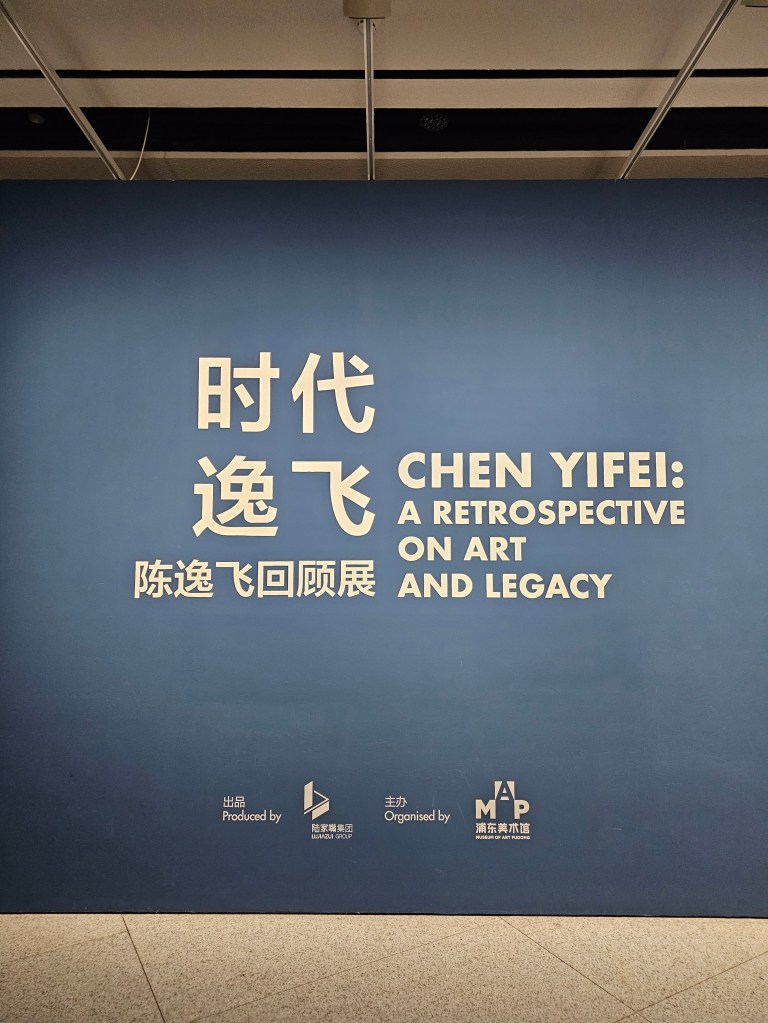
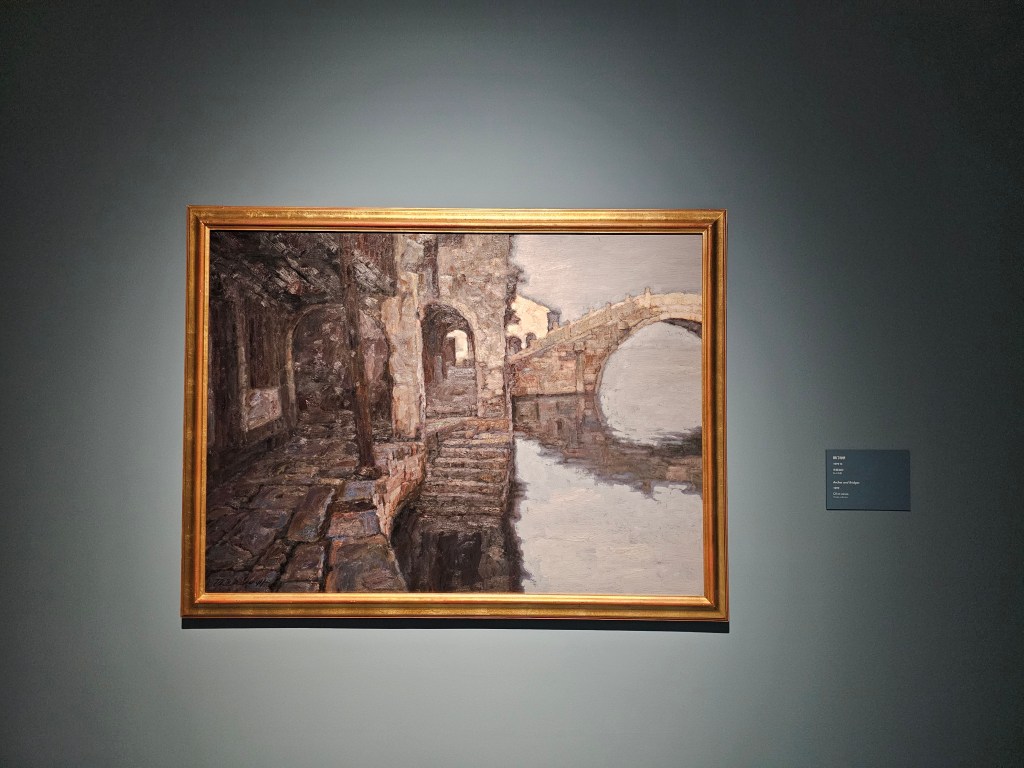
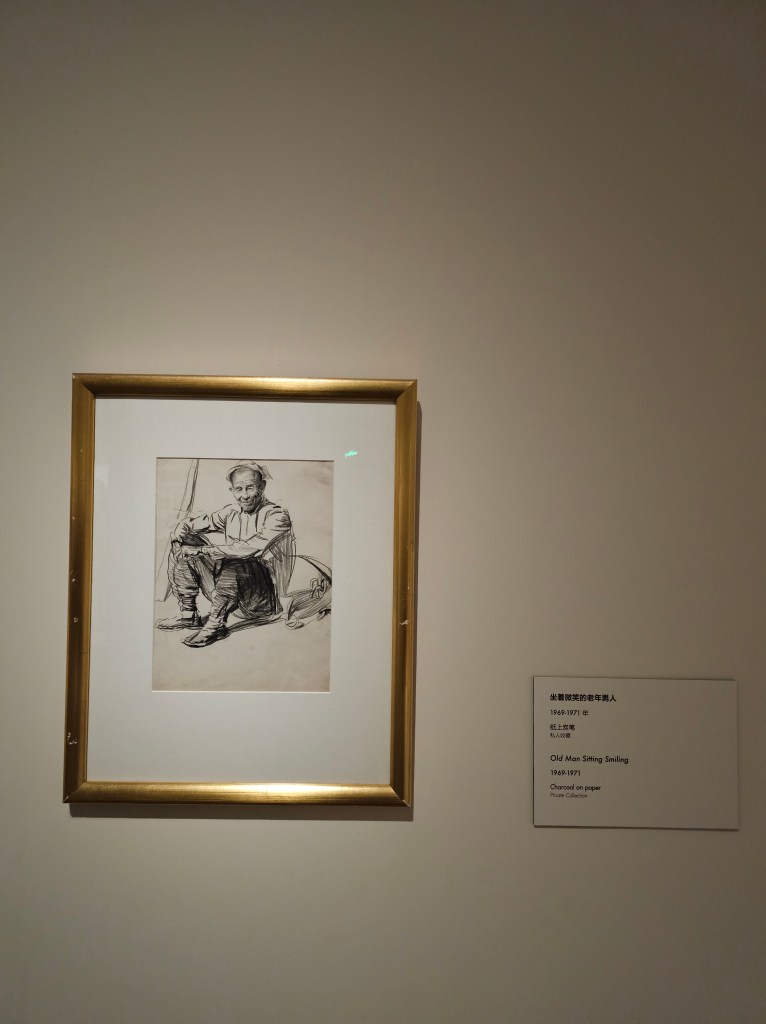
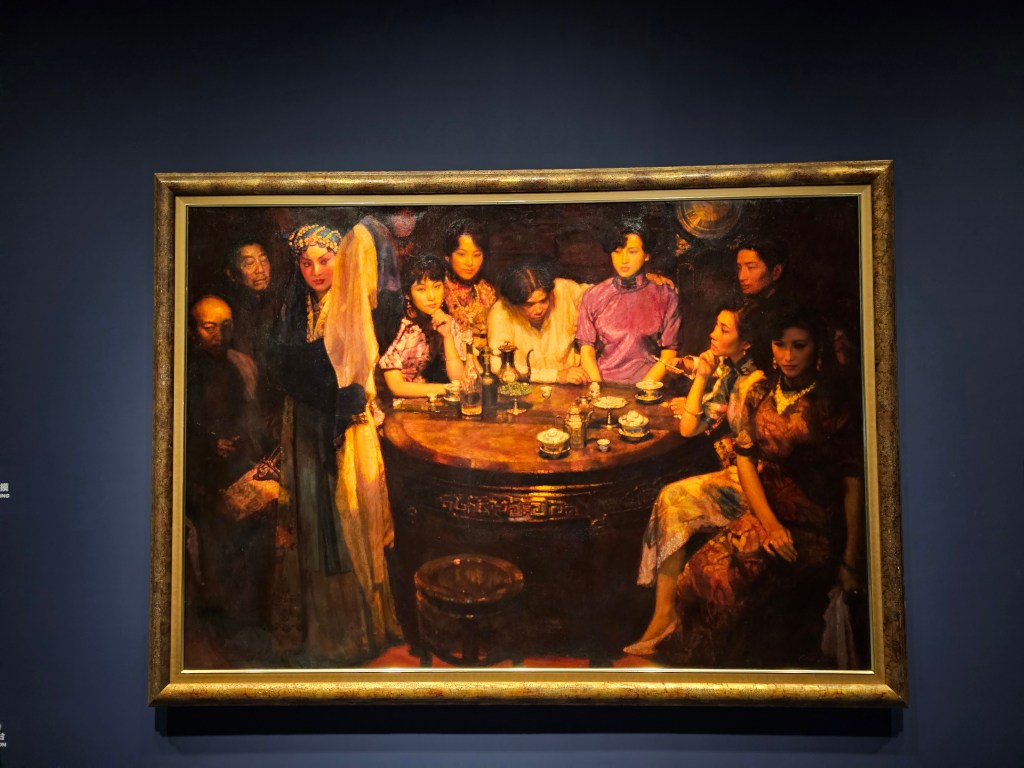
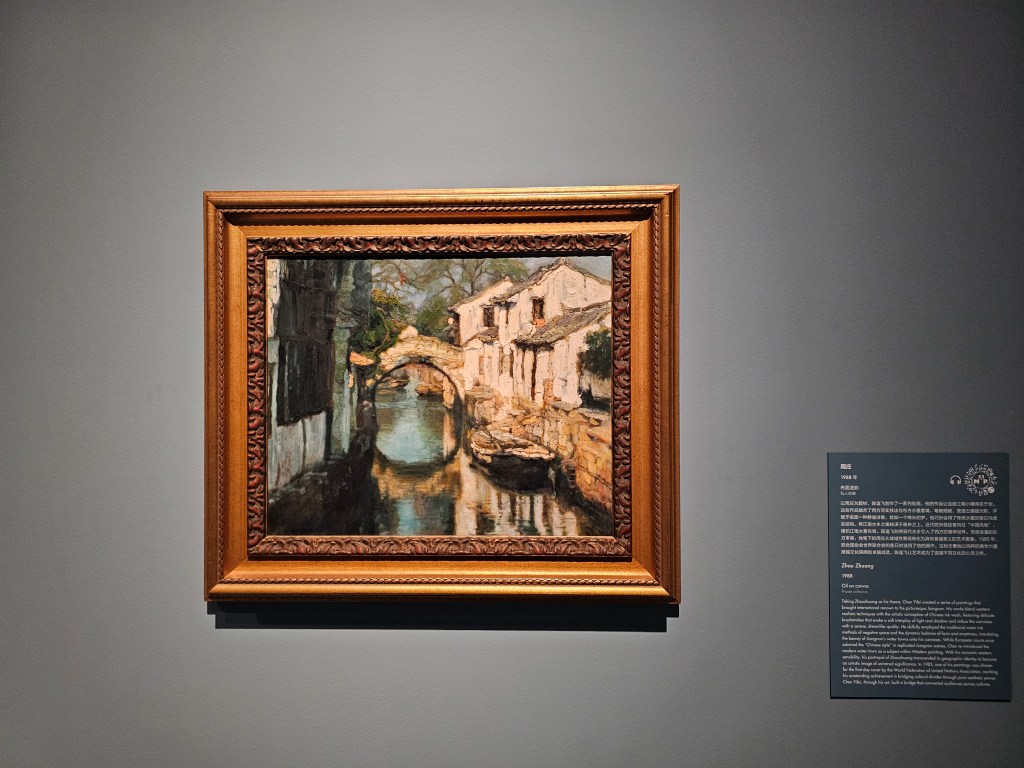
Chen YiFei was like us, but the other way around. He was born in China and studied abroad in his thirties. He was best known for his paintings, which reflected both Oriental and Western elements. Earlier works include paintings of his hometown and depictions of the Cultural Revolution. However, after studying abroad, the subject of his paintings changed and was layered with Western techniques. His experimentation with various mediums impressed me-from painting to creating a fashion brand and directing movies. I left the exhibition stunned.



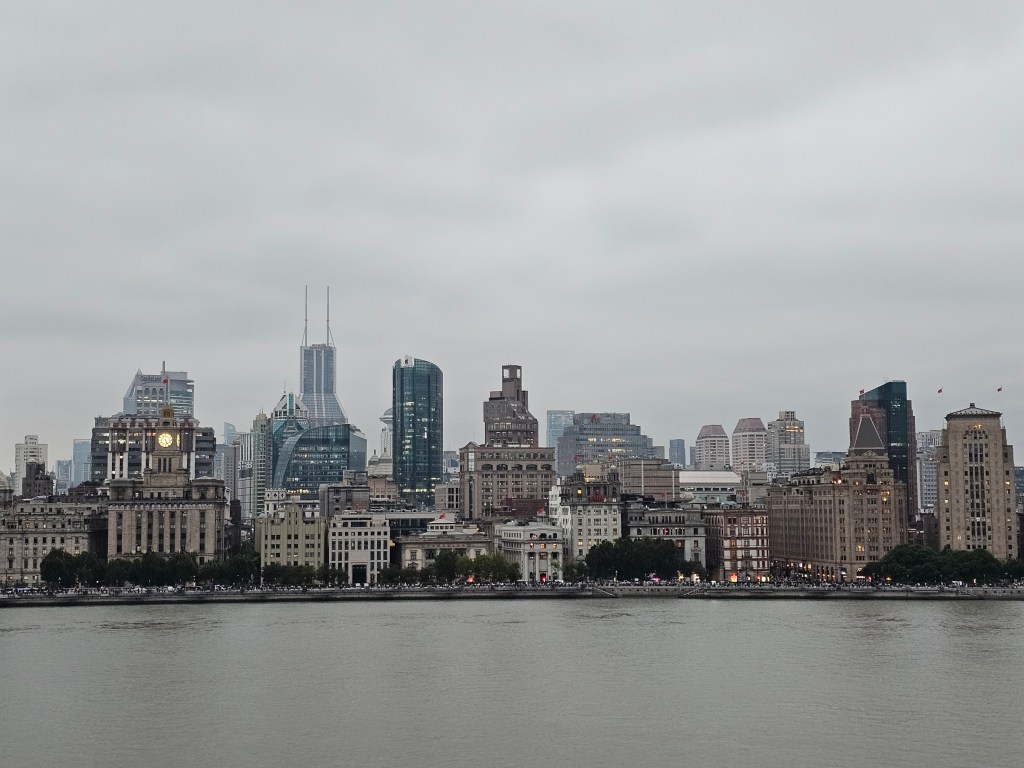
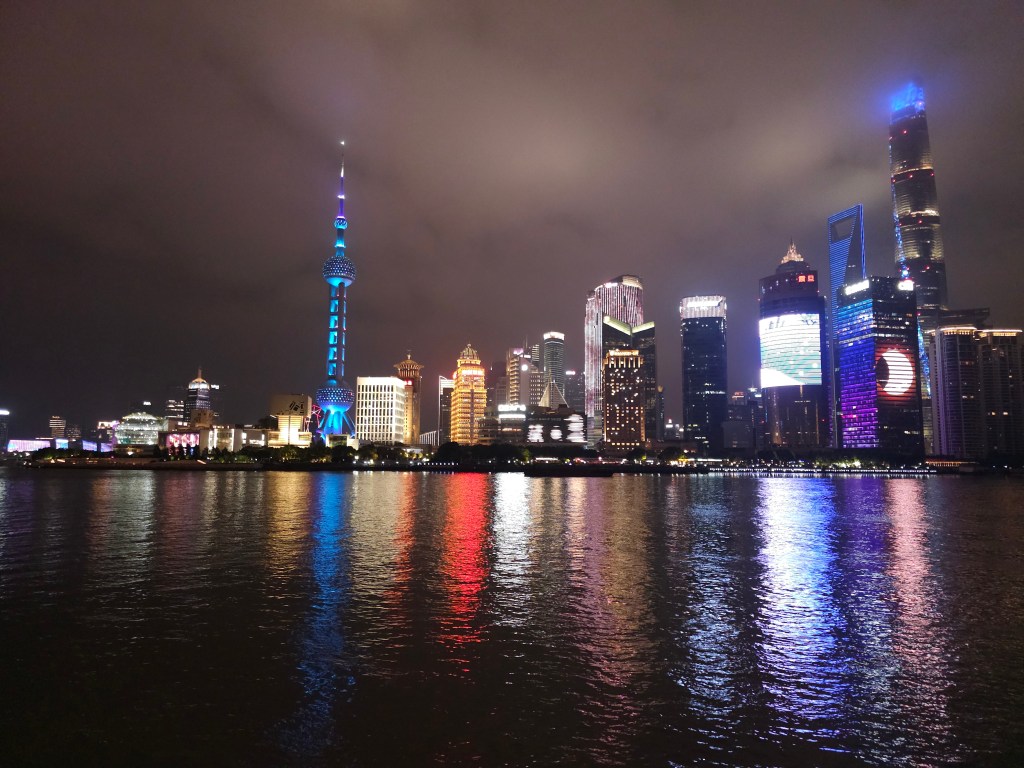
We discovered a beautiful view of the Bund on the rooftop of the Museum of Art Pudong. Across the Huangpu River, the evening lights glamourized the Oriental Pearl TV Tower and its surrounding buildings. Both were Shanghai’s iconic skyline.
On our last day, we ate lunch at a local dumpling shop. We sat down by the window and noticed the “Scan the QR code to order” signage. No problem. We’ve got this. We browsed the menu and sent our order through. While waiting, my friend noticed a wall of photos of celebrities who had visited the shop. I couldn’t recognize any of them, but she insisted I should know because some were from Hong Kong. We spent a good amount of time using Google Image to identify them, but the feature didn’t work well. In the end, I used the lifeline and asked my mom and sister for help.
45 minutes later, we still hadn’t received our order. The man next to us noticed our confusion and asked if we had paid. We hadn’t yet. He said we needed to pay first for the order to go through. We followed his instructions and soon received our order. The dumplings were juicy and tasty for such a good price. However, as we kept eating, we questioned whether they were the dumplings we ordered. Didn’t we get the assorted set? Why did it all taste the same? We called the server to clarify. She looked just as lost and confused and asked what we had eaten. We couldn’t really tell, but said it wasn’t the one we ordered. Without protesting, she asked the kitchen to make another assorted batch.
The confusion about these dumplings made me think about my identity. Am I Chinese? Am I Canadian? I wrote an essay in social studies class about this topic back in 9th grade and almost got a perfect score. 20 years later, I am still pondering my two identities. I remain not Chinese enough to be considered “我們” (we) nor do I know enough news and pop culture to be Canadian. Perhaps this is the Chemical X God created me with. The ability to sympathize and understand both cultures and to see objectively the strengths and weaknesses of both.
National Holiday
I was crazy to pick the busiest national holiday to go home, but my aunt and her family were even more ambitious. They wanted to travel around China during this time. She said the opportunity to go on a trip together as a family is limited and wanted to make the most out of it. So, I prepared myself mentally for the large crowds and relied on being shepherded by seasoned locals.

Cities in China are categorized into tiers, unofficially. I’ve always thought there was an official ranking of cities by the government until I did a quick Google Search. Rankings of cities were put out by different organizations and media outlets. Currently, the best-known one is from Yi Cai, a financial news division from Shanghai Media Group. Most of the cities we have heard of would be classified in the first, second or third tier. However, in Yi Cai’s 2017 report, they introduced a new category called the “new first-tier cities”. Cities were included in this new category because of their increased urban development and emerging attractiveness for commerce.
Qingdao, most famous for its beer, is part of the new first-tier city. I have the same sentiments of the people. I, too, question whether “new first-tier cities” is just a fancy way of saying “second-tier”. Whatever the tier is called, Qingdao is definitely not a first-tier city like Shanghai is.
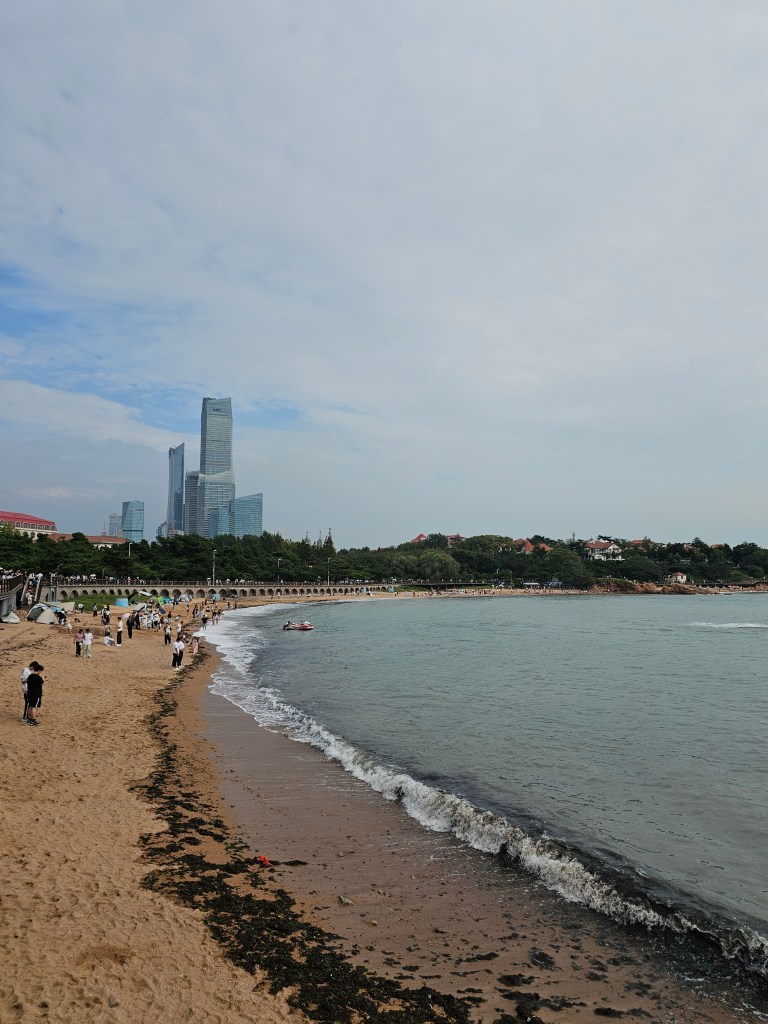
Located on the coast of China’s Yellow Sea, Qingdao reminded me of a beach town. The people in the city were laid back and friendly. Local tourists flooded everywhere (irrespective of it being a national holiday, it was a popular local travel spot). Seafood was fresh and plentiful. I was herded by my cousin through the tourist sites and don’t remember what we saw. All I remember was wading through a crowd, taking a photo and then wading through another crowd onwards to the next site.
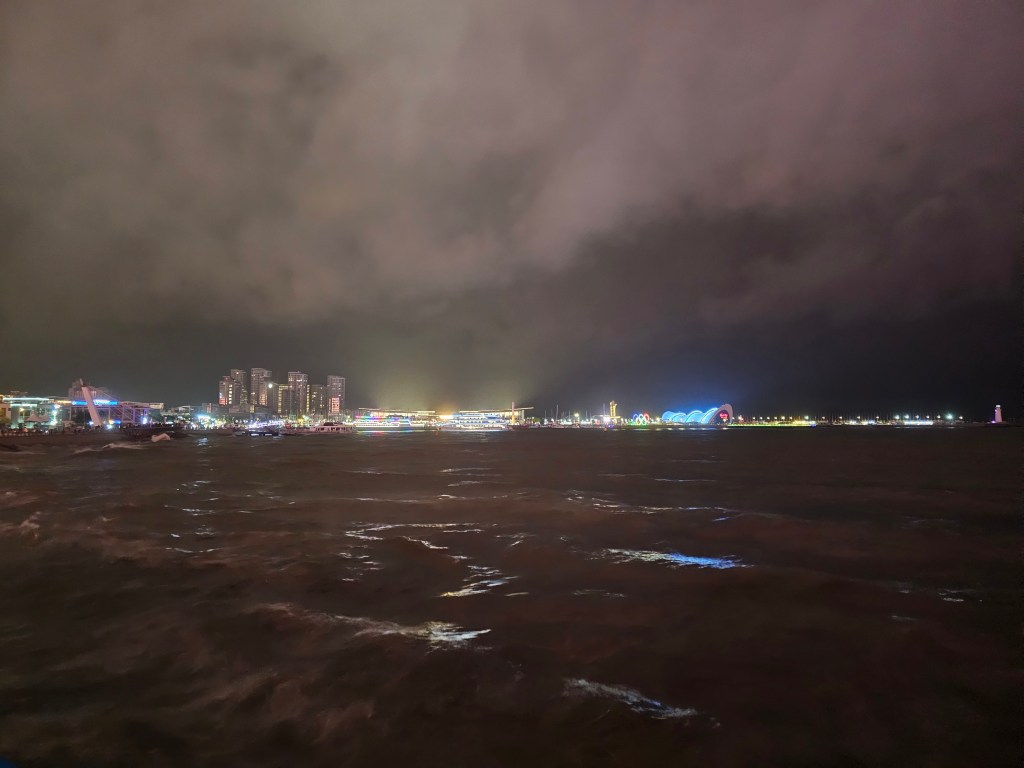
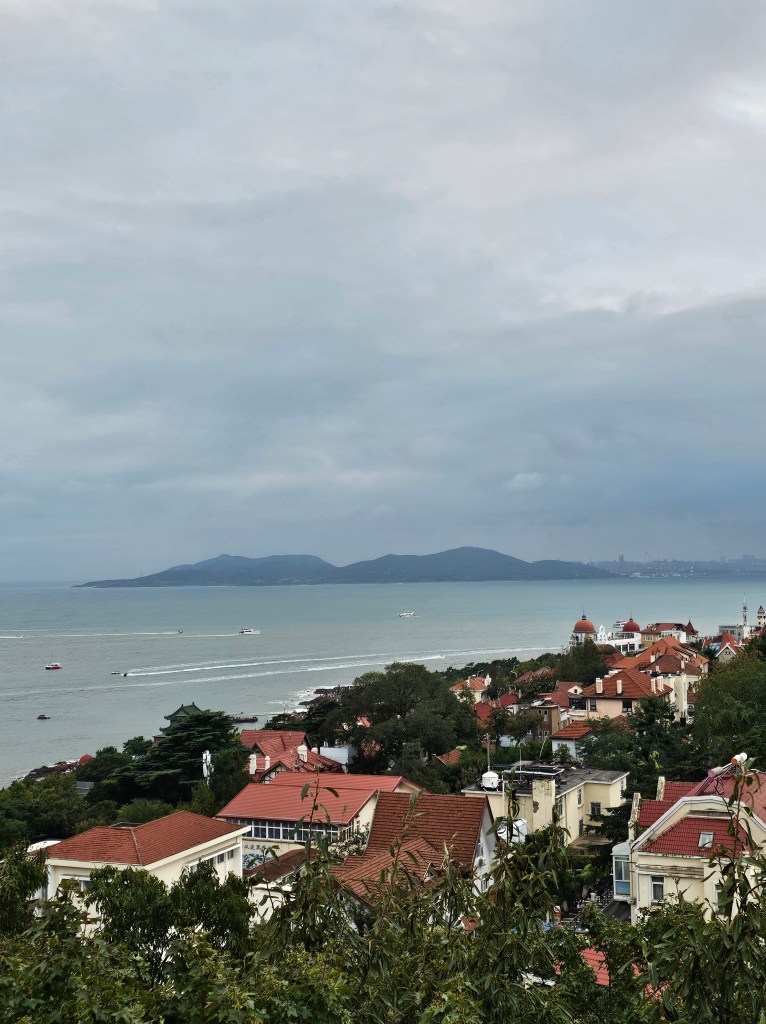
I was surprised to see a glimpse of East meets West in Qingdao. We visited the Badaguan Scenic Area, which comprised ten streets. Eight of these streets were named after important military fortresses along the Great Wall of China. The buildings here have influences from more than 20 Western countries. The most notable was German architecture, as it also influenced many other parts of Qingdao during its occupation from 1898 to 1914. It occurred to me that the history of the land within the borders of China is many layers deep, going beyond current development and into recent history (even ancient history).
It rained most of the days we were travelling. Fortunately, the temperature was mild, but the rain made it inconvenient. My aunt said we must be blessed people, bringing rain to our destinations (a colloquial Chinese saying).
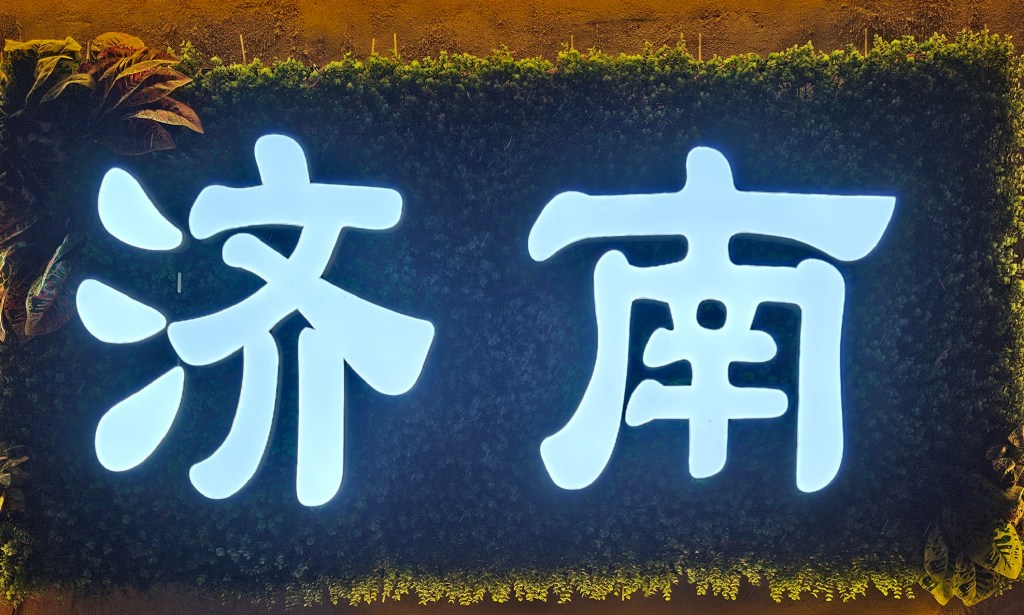
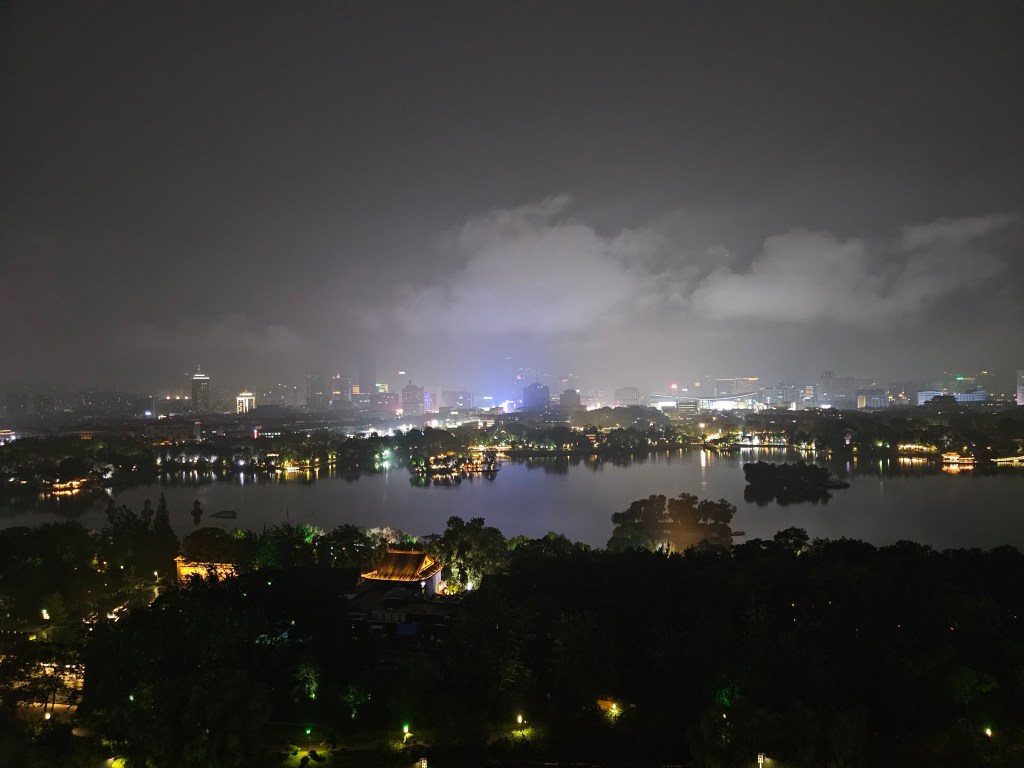
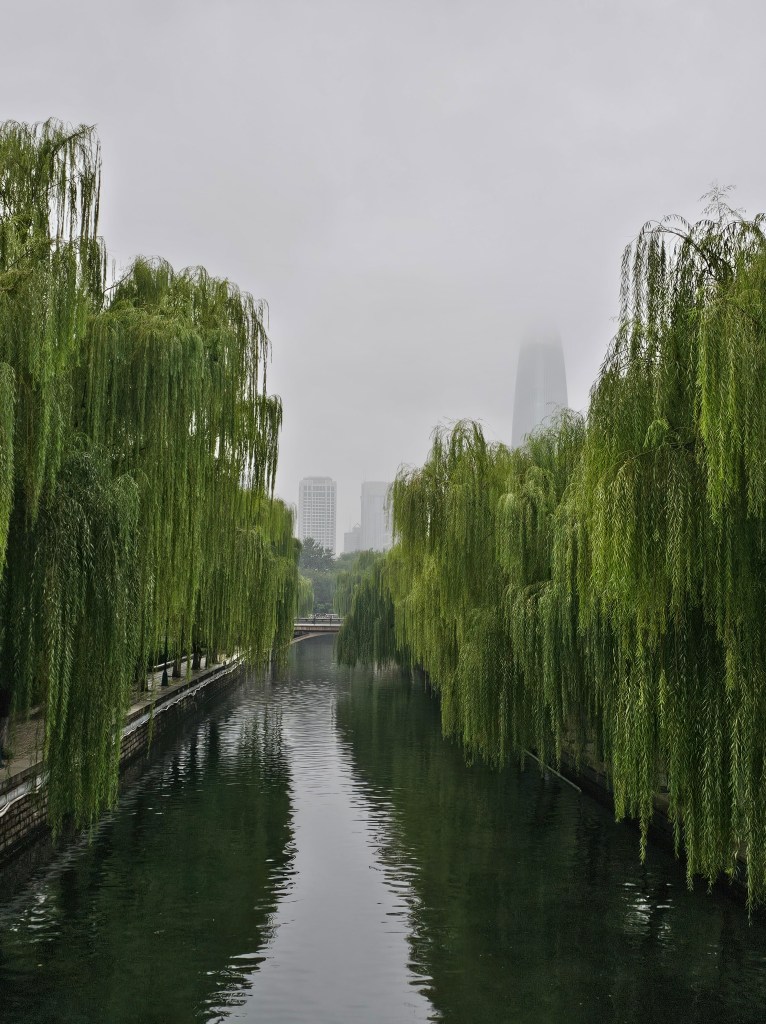
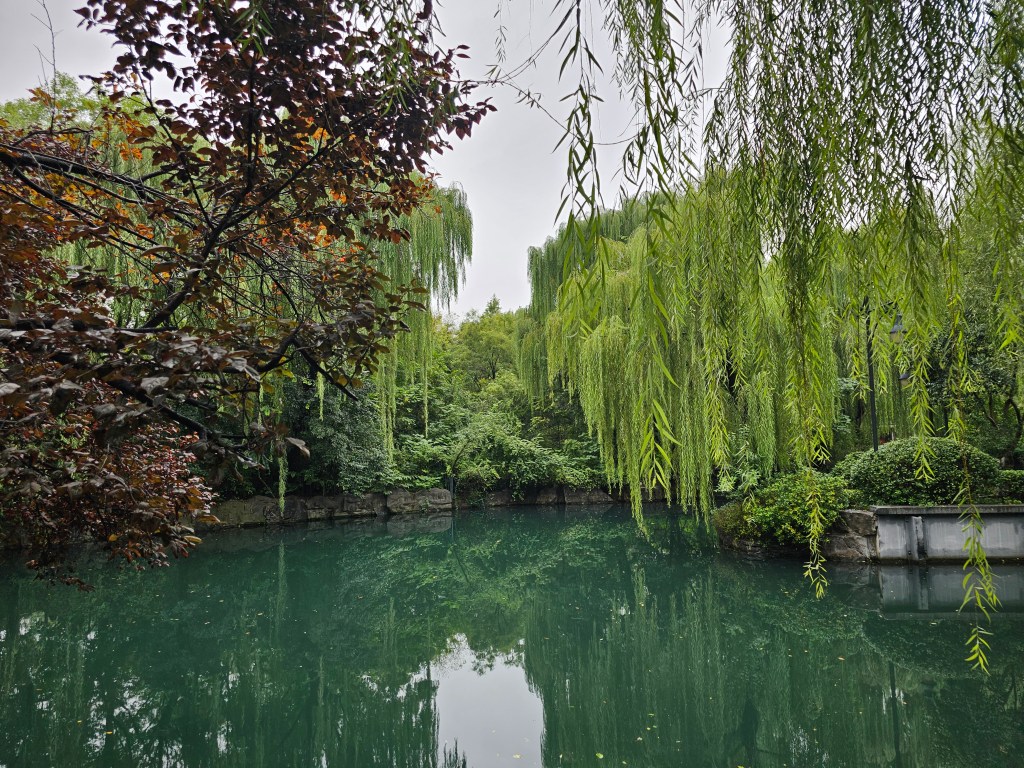
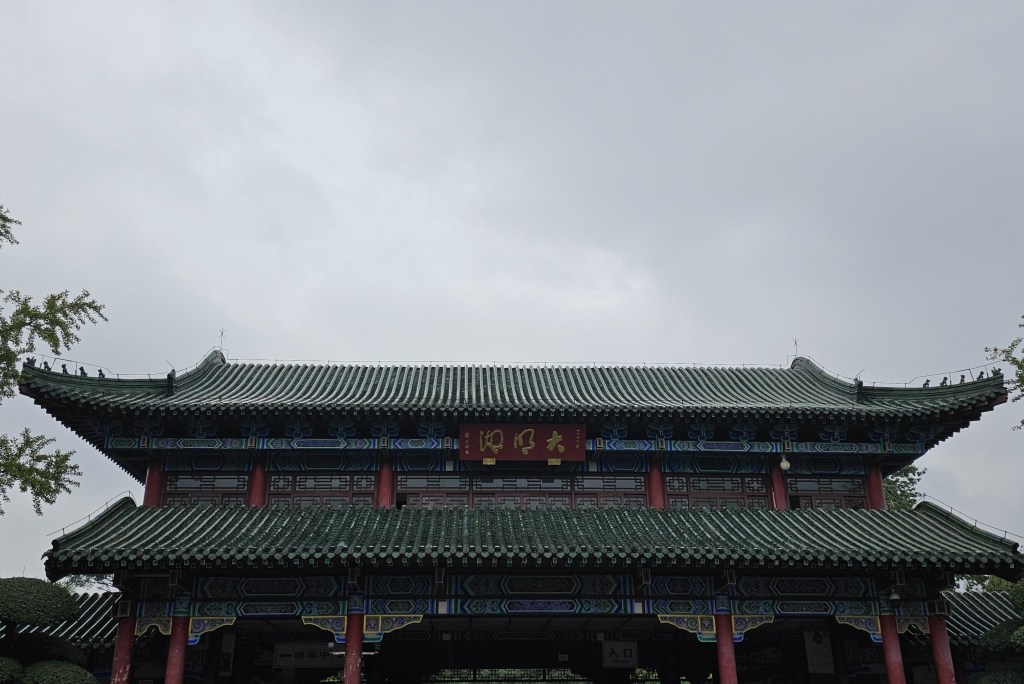
Our next stop was Jinan. Jinan was the capital city of Shandong province, the same province as Qingdao. When we arrived, we were shocked to see how underdeveloped it was. Wasn’t it supposed to be the capital city? Since Shanghai, I had descended through the tiers and found myself back on the streets of Guangzhou in 2002. Although certain conditions were rough, we enjoyed our very wet walk around Daming Lake and a historical tour (in addition to modern merchants selling souvenirs) down the streets in the Old Town. We saw many ladies dressed up in traditional Chinese clothing from different time periods taking photos. This has become its own attraction.
After five days of travelling with my aunt and her family, I observed three things:
- One, my cousin-in-law is a model daughter-in-law. She smiles through the discomfort of travelling with her mother-in-law and maintains a good attitude at all times. Her patience and perseverance were truly commendable.
- Two, my aunt took an excessive amount of photo at each tourist site that it almost felt like a photography trip. Perhaps it was a difference in culture, but instead of trying to understand the history and origins of the city, it was more important for her to capture the beauty of the place and, of course, herself in them.
- And three, my uncle and cousin loved their wives quietly. They addressed their needs without being asked. They planned ahead so that all we needed to do was follow. They bought breakfast early in the morning so we could eat once we woke up. My uncle carried any leftover food in his backpack and fed us whenever we were hungry. They took care of the leftover food.
My aunt’s family dynamic reminded me of my own. I realized that my mom and her sister were more alike than they admit, both marrying similar archetypes.
Home
Our last day in Jinan was on August 15th by the Lunar calendar. The same day as the Mid-Autumn Festival. We took the airplane in the evening back to Guangzhou and saw the bright full moon in the air. The airline even served a mini mooncake with our meal. My aunt, uncle, cousin and cousin-in-law were attempting to capture a photo of the moon from the airplane, but the exposure and the reflection from the glass window kept spoiling it. I chuckled in my seat and took a nap for the duration of our plane ride.
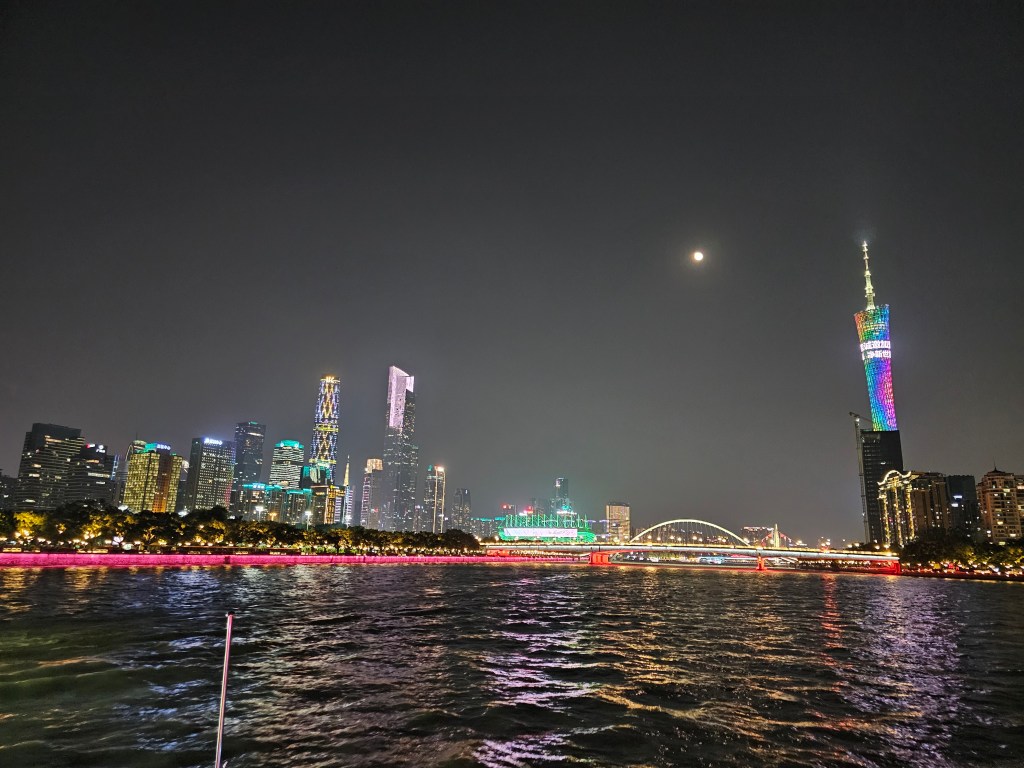
Back in Guangzhou, I stayed at the apartment we used to live in when we visited during the summers. My aunt came to stay with me, worried that I would feel lonely and afraid. Inside the apartment, cloths covered the furniture to prevent dust from accumulating. We had to figure out how to turn on the boiler for hot water to shower and the tap for water to flow into the toilet bowl and the sink. Extra mattresses were stored in the master bathroom. Cable and internet subscription was cancelled. I was glad my aunt lived with me because the emptiness and the lack of people living in this home was eerie.
I was in the master bedroom by myself. There used to be five of us in here. My sister and I shared the extra mattress on the ground; my brother slept with my parents on the master bed. My grandparents were in the room next to us. And our cousin was in the room closest to the living room. Early in the morning, I could hear my oldest aunt washing the floors and preparing breakfast. But they are now distant memories.
I did what we used to do during our summer holidays-eat food and shop. My cousins took me to new popular places and showed me around. The city wasn’t what I once remembered. Some parts changed for the better, while other parts have lost their meaning to me. Each time I come back, I grieve the passage of time.
After spending more than a week together, I formed a new bond with my aunt. We were both adventurous and social people, who loved to explore and connect with others. She told my mom it felt like she had gained a daughter. Being abroad for almost a year, my aunt knew I haven’t had a home-cooked meal in a long time. She made food one evening, and it was the best meal of all the meals I had during this trip.
Stay gold
My last stop was Hong Kong.
Each time we visited Guangzhou, we passed through Hong Kong for only one or two days. The expensive hotel stays couldn’t justify spending more days. My cousin, who lives in this city, complained our stays were too brief for him to show us new things. There was only enough time to shop at the same department store. My mom unfairly accused Hong Kong of having nothing to offer. On this trip, I asked him to show me the local life and take me to new places. Though my hotel expenses were about the same amount as my flight tickets, it was worth my money.
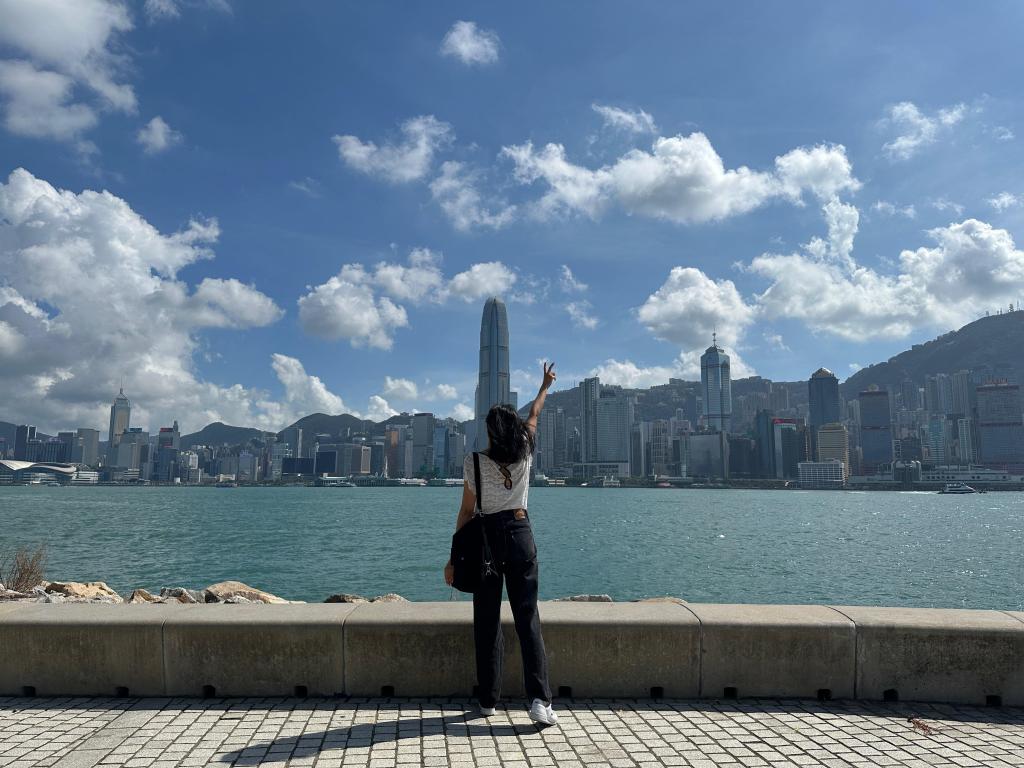
Hong Kong was a city I fell in love with every summer I visited. It was always hot and humid. Some days were sunny, but some were pouring rain because of the monsoon season. Streets were narrow and crowded but mysteriously orderly. The crosswalk signal was the first sound I heard when I walked out onto the street. My favourite store was Watsons (a health and beauty retailer) because I could buy their bottled water shaped like a teardrop and Tempo.
At thirteen, I stopped following Western music out of spite. I couldn’t keep up and forged my path in my taste in music. I threatened my mom that if she didn’t let me listen to The Beat 94.5, she should at least buy me Joey Yung’s CD and subsequently, spent the entirety of high school immersed in the early 2000s Hong Kong pop culture. A decision out of spite led me to connect with the culture of a city I never grew up in but loved so much.
Over the last decade, I stopped paying attention to Hong Kong because of political and social tensions. I wanted to avoid having to form an opinion whenever someone asked. It wasn’t my place to say. It wasn’t my home. And I was no longer a teenager who needed pop culture to find her belonging. This city diminished into distant memories and was merely a name in my mind.
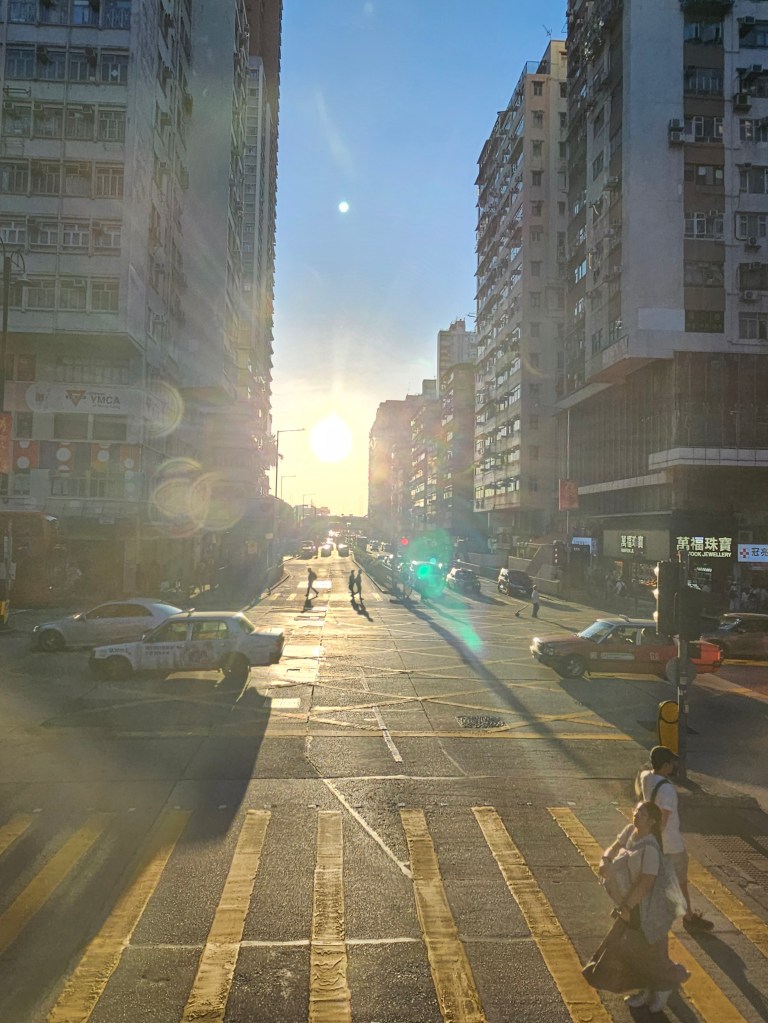
However, as I walked along the streets of Hong Kong, my affection for this city resurfaced. I was mesmerized again by its cityscape. The taste of its cuisine, the sound of its streets, the movement of its people, and the uniqueness of its culture captured my heart once more. I had subtly continued following news about this city and found new songs and artists to listen to. Undoubtedly, the charm of Hong Kong remains. A quote from the novel The Outsiders, come to mind. Ponyboy is at the hospital while Johnny is dying. His last words to him were, “Stay gold, Ponyboy. Stay gold.” Isn’t it the same call for us? To stay gold amidst the conflicts we face every day.
 I. L. Chang
Leave a comment